About this publication
Tanzania Renewable Energy Sector Report 2025–2026
Advancing Clean Energy, Sustainable Development and Energy Security
Prepared for the Tanzania Energy Association (TEA)
Executive Summary
Tanzania’s renewable energy sector presents significant opportunities for expanding electricity access, strengthening energy security, supporting industrial development and promoting environmental sustainability.
The 2025–2026 reporting period provides an important opportunity to assess the country’s renewable energy development priorities, investment environment, technological opportunities and challenges associated with the transition towards a sustainable energy future.
With abundant solar radiation, hydropower resources, wind potential, geothermal resources and agricultural biomass, Tanzania is well positioned to diversify its energy supply and reduce dependence on conventional energy sources.
This report provides a qualitative overview of renewable energy development opportunities, sector challenges and strategic recommendations for accelerating Tanzania’s clean energy transition.
1. Introduction
Access to reliable, affordable and sustainable energy remains fundamental to Tanzania’s economic and social development. Growing demand for electricity, industrial expansion, population growth and rural development highlight the importance of investing in diversified energy infrastructure.
Renewable energy technologies can contribute to meeting this demand while supporting environmental protection, climate resilience and long-term energy security.
Collaboration between government institutions, private sector investors, development partners, academic institutions and energy professionals will be essential in advancing the sector.
2. Objectives of the Report
The principal objectives of this report are to:
- Examine Tanzania’s renewable energy development opportunities.
- Identify key challenges affecting renewable energy deployment.
- Highlight emerging technologies and investment opportunities.
- Promote research, innovation and knowledge sharing.
- Encourage collaboration among energy sector stakeholders.
- Provide strategic recommendations for sustainable energy development.
3. Overview of Renewable Energy Resources
3.1 Solar Energy
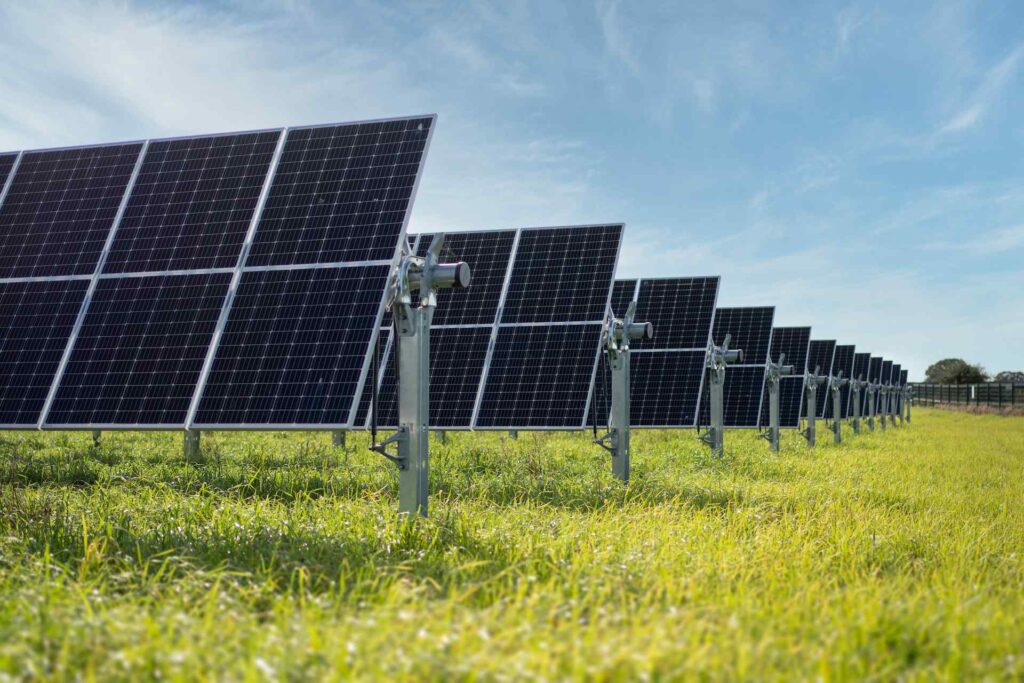
Tanzania possesses considerable solar energy potential due to its geographical location and favourable climatic conditions.
Solar photovoltaic technologies offer opportunities for both grid-connected and off-grid electricity generation, particularly in rural and underserved communities.
Priority applications include:
- Utility-scale solar power plants.
- Commercial and industrial rooftop solar systems.
- Solar-powered irrigation systems.
- Solar mini-grids.
- Solar home systems.
- Solar-powered healthcare and educational facilities.
- Battery energy storage systems.
Solar energy can also support agricultural productivity, rural enterprises and decentralized electricity generation.
3.2 Hydropower
Hydropower remains an important component of Tanzania’s electricity generation infrastructure.
The country’s river systems provide opportunities for large-scale, small-scale and mini-hydropower development.
Future hydropower development should prioritize environmental sustainability, responsible water resource management and climate resilience.
Diversification into complementary renewable energy technologies can help reduce exposure to seasonal water availability and hydrological risks.
3.3 Wind Energy
Wind energy represents an opportunity to diversify Tanzania’s electricity generation portfolio.
Areas with favourable wind conditions may support utility-scale wind farms and smaller distributed generation projects.
Further resource assessments, feasibility studies, grid integration planning and investment mobilization are necessary to advance commercially viable wind energy projects.
3.4 Geothermal Energy
Tanzania’s location within the East African Rift System provides opportunities for geothermal energy exploration and development.
Geothermal energy has the potential to provide reliable electricity generation and direct-use applications, including industrial heating, agricultural processing and other productive activities.
Continued exploration, technical research and investment in project development are important for unlocking this resource.
3.5 Biomass and Bioenergy
Agricultural residues, organic waste, forestry by-products and livestock waste provide opportunities for sustainable bioenergy production.
Potential applications include biogas systems, electricity generation from agricultural residues, sustainable biofuels, waste-to-energy technologies and clean cooking solutions.
Bioenergy development should incorporate sustainable feedstock management and environmental safeguards.
4. Renewable Energy Development Priorities: 2025–2026
The reporting period highlights several strategic areas that warrant continued attention across Tanzania’s renewable energy sector.
These include expanding decentralized energy solutions, improving electricity infrastructure, promoting clean cooking technologies, encouraging private sector participation and strengthening institutional capacity.
Battery storage, smart energy management systems and digital monitoring technologies also offer opportunities to improve the reliability and efficiency of renewable energy installations.
5. Renewable Energy Investment Opportunities
Tanzania offers potential investment opportunities across the renewable energy value chain, including:
- Utility-scale solar and wind power generation.
- Commercial and industrial renewable energy installations.
- Rural mini-grid development.
- Battery energy storage infrastructure.
- Electric mobility and charging infrastructure.
- Clean cooking technologies.
- Geothermal exploration and development.
- Sustainable biomass and waste-to-energy projects.
- Renewable energy equipment supply and local assembly.
- Energy efficiency and technical consultancy services.
A supportive investment environment, access to affordable financing and transparent regulatory procedures can help accelerate project development.
6. Key Challenges Facing the Sector
Despite its considerable potential, renewable energy development faces several challenges.
Financial Constraints
High initial capital requirements and limited access to affordable long-term financing can affect the viability of renewable energy projects.
Infrastructure Limitations
Electricity transmission and distribution infrastructure must develop alongside new generation capacity to support reliable grid integration.
Technical Capacity
Continued investment in professional training, technical education and specialized expertise is necessary to support project development, installation, operation and maintenance.
Regulatory and Institutional Coordination
Effective coordination among relevant institutions and predictable regulatory processes are important for attracting investment and facilitating project implementation.
Research and Data Availability
Reliable resource assessments, market information and sector performance data are essential for informed investment and policy decisions.
Public Awareness
Greater awareness of renewable energy technologies, energy efficiency and clean cooking solutions can support wider adoption among households, businesses and institutions.
7. Research, Innovation and Technology
Research and innovation are critical to improving the affordability, reliability and sustainability of renewable energy technologies.
Priority research areas include:
- Battery energy storage and hybrid energy systems.
- Smart grids and digital energy management.
- Renewable energy resource mapping.
- Solar-powered agricultural technologies.
- Sustainable bioenergy production.
- Electric mobility.
- Energy efficiency technologies.
- Climate-resilient energy infrastructure.
Collaboration between universities, research institutions, technology developers and industry professionals should be encouraged.
8. Environmental and Socioeconomic Benefits
Responsible renewable energy development can contribute to:
- Reduced greenhouse gas emissions.
- Improved environmental sustainability.
- Expanded electricity access.
- Employment creation and skills development.
- Increased agricultural productivity.
- Improved healthcare and educational services.
- Greater energy independence and security.
- Sustainable industrial and economic growth.
Renewable energy projects should incorporate environmental assessments, community engagement and responsible land-use practices.
9. Strategic Recommendations
To accelerate renewable energy development in Tanzania, the following actions are recommended:
- Strengthen renewable energy investment frameworks.
- Expand access to affordable project financing.
- Improve electricity transmission and distribution infrastructure.
- Support local manufacturing and technology development.
- Promote professional training and technical certification.
- Strengthen renewable energy research and resource assessments.
- Encourage public-private partnerships.
- Expand decentralized energy solutions for rural communities.
- Promote clean cooking and energy efficiency initiatives.
- Strengthen collaboration among national and international energy stakeholders.
10. The Role of Tanzania Energy Association
The Tanzania Energy Association can contribute to renewable energy development through stakeholder engagement, professional networking, knowledge sharing, research collaboration and capacity-building initiatives.
By connecting energy professionals, institutions, investors, researchers and development partners, TEA can support constructive dialogue and promote sustainable solutions addressing Tanzania’s energy needs.
11. Outlook for 2027 and Beyond
Looking ahead, Tanzania has opportunities to accelerate renewable energy deployment through technological innovation, infrastructure development, strategic investment and stronger institutional collaboration.
The development of diversified energy systems, battery storage, decentralized generation and sustainable energy technologies can contribute to a more resilient and inclusive energy sector.
Continued monitoring of sector performance and the publication of reliable energy data will be essential for assessing progress.
12. Conclusion
Renewable energy represents an important pathway towards Tanzania’s sustainable economic development, energy security and environmental protection.
Realizing the country’s renewable energy potential will require coordinated investment, supportive policies, technical expertise, research and active collaboration among energy sector stakeholders.
Through collective action, Tanzania can advance towards a reliable, affordable, inclusive and environmentally sustainable energy future.
Tanzania Energy Association
Energy for Future Generations
Publication Status: Demonstration draft prepared for website testing. This report provides a qualitative sector overview and does not contain independently verified 2025–2026 statistical findings. It should undergo technical review and institutional approval before being issued as an official TEA publication.